Recently, the Innovation Team of Novel Water-saving Materials and Agricultural Film Pollution Control at the Institute of Environment and Sustainable Development in Agriculture, Chinese Academy of Agricultural Sciences, revealed the molecular mechanisms whereby plant-derived fulvic acid (FA) enhances crop stress tolerance. The related findings have been published in Bioresource Technology.
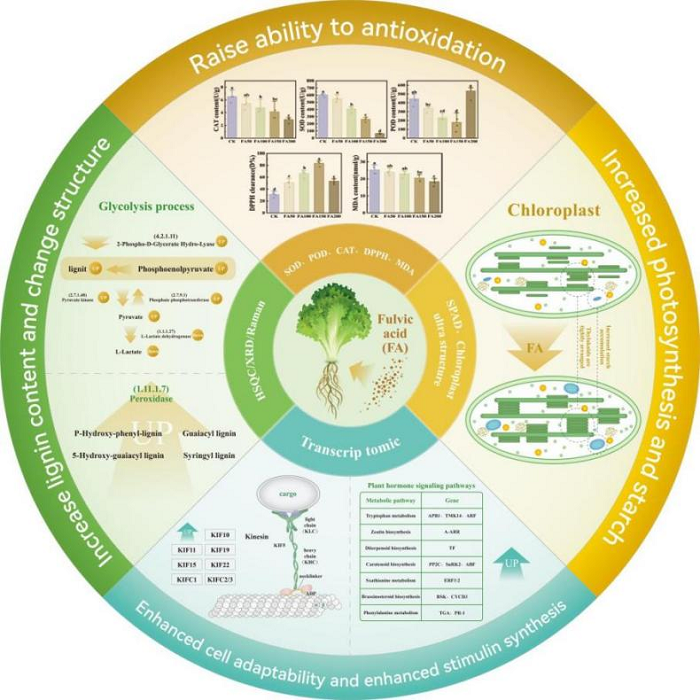
Fig.1 Multiple pathways through which plant-derived FA enhances crop stress tolerance
As global abiotic stresses intensify, the pressure to stabilize grain production continues to grow. Plant-derived FA has demonstrated outstanding performance in promoting crop growth and enhancing crop stress tolerance; however, gaps remain in research on related mechanisms, including disrupted multi-scale FA effects chain, insufficient understanding of molecular mechanisms, and lack of supporting omics evidence.
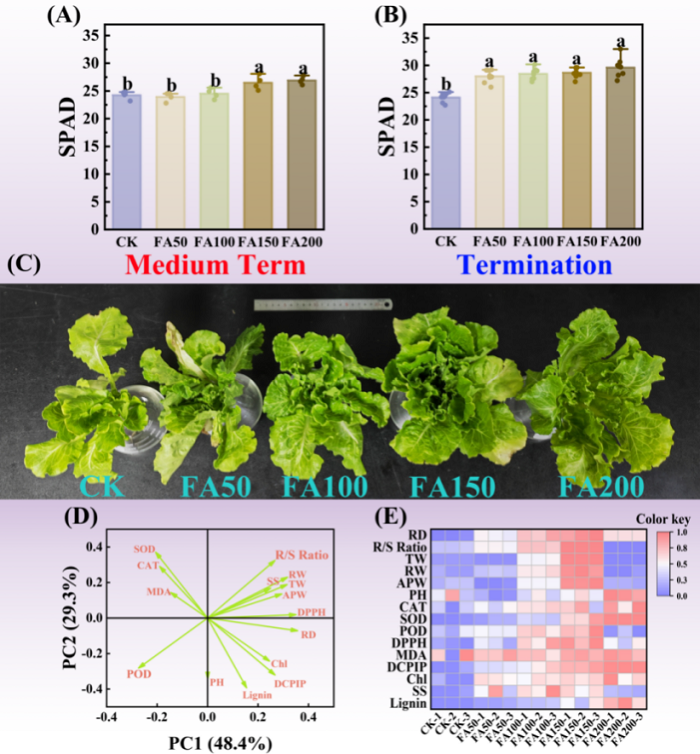
Fig.2 Changes in crop chlorophyll and key enzymes under different treatments
The study found that FA selectively cleaved β-O-4 linkages, oxidized S/G units, and reassembled them into 400-700 Da FA-lignin hetero-conjugates, thereby reinforcing cell walls, enlarging vascular bundles, improving water and nutrient transport efficiency, and enhancing crop stress tolerance. Concurrently, it significantly decreased ROS accumulation, stabilized chloroplast ultrastructure, substantially increased chloroplast photosynthetic efficiency and soluble sugar content to create a physiological and biochemical environment conducive to crop growth under adverse conditions. Transcriptomic analysis revealed that plant-derived FA could significantly up-regulate key genes like CCT7 and CSLA9, and enhance cell cycle progression, providing molecular evidence for FA-mediated physiological improvements.
This work was supported by the National Key R&D Program.
Linkage: https://doi.org/10.1016/j.biortech.2026.135154
